
by Delaney Hankins - Knowledge Tools and Communication Intern
On Christmas Day, the year 1900, 27 birders from Toronto, Ontario to Pacific Grove, California participated in Audubon’s first Christmas Bird Count (CBC), a new conservation tradition that replaced the holiday practice of competitive bird hunting. More than a century later, the CBC has grown into one of the world’s longest-running community science projects, strengthening connections between people, nature, and local conservation efforts.
For 126 years, tens of thousands of volunteers have contributed to this remarkable initiative across the Western Hemisphere. This year, the circle came back to me, offering the chance to experience my very first CBC.
As an Audubon Texas intern, I signed up hoping to support a mission bigger than myself. CBC data helps Audubon and its partners monitor bird populations, identify conservation needs, inform policy decisions, and guide habitat investments. At the same time, local communities use CBC events to highlight natural assets and promote ecotourism.
On December 27, 2025, I joined the Lewisville Circle Christmas Bird Count at the Lewisville Lake Environmental Learning Area (LLELA) a, 2,600 acre preserve in Lewisville, Texas, home to Blackland Prairie, Eastern Cross Timbers, wetlands, and hardwood forests. I visited LLELA on school field trips as a kid. Back then, I noticed a few gulls from the lake, the occasional squirrel, or a tadpole in a pond. That was the full extent of my awareness.
When my alarm rang at 5:00 a.m., I expected to help with an important conservation effort, but I also assumed the day would feel familiar. What I didn’t expect was for the CBC to reveal an entirely new world just minutes from where I grew up.
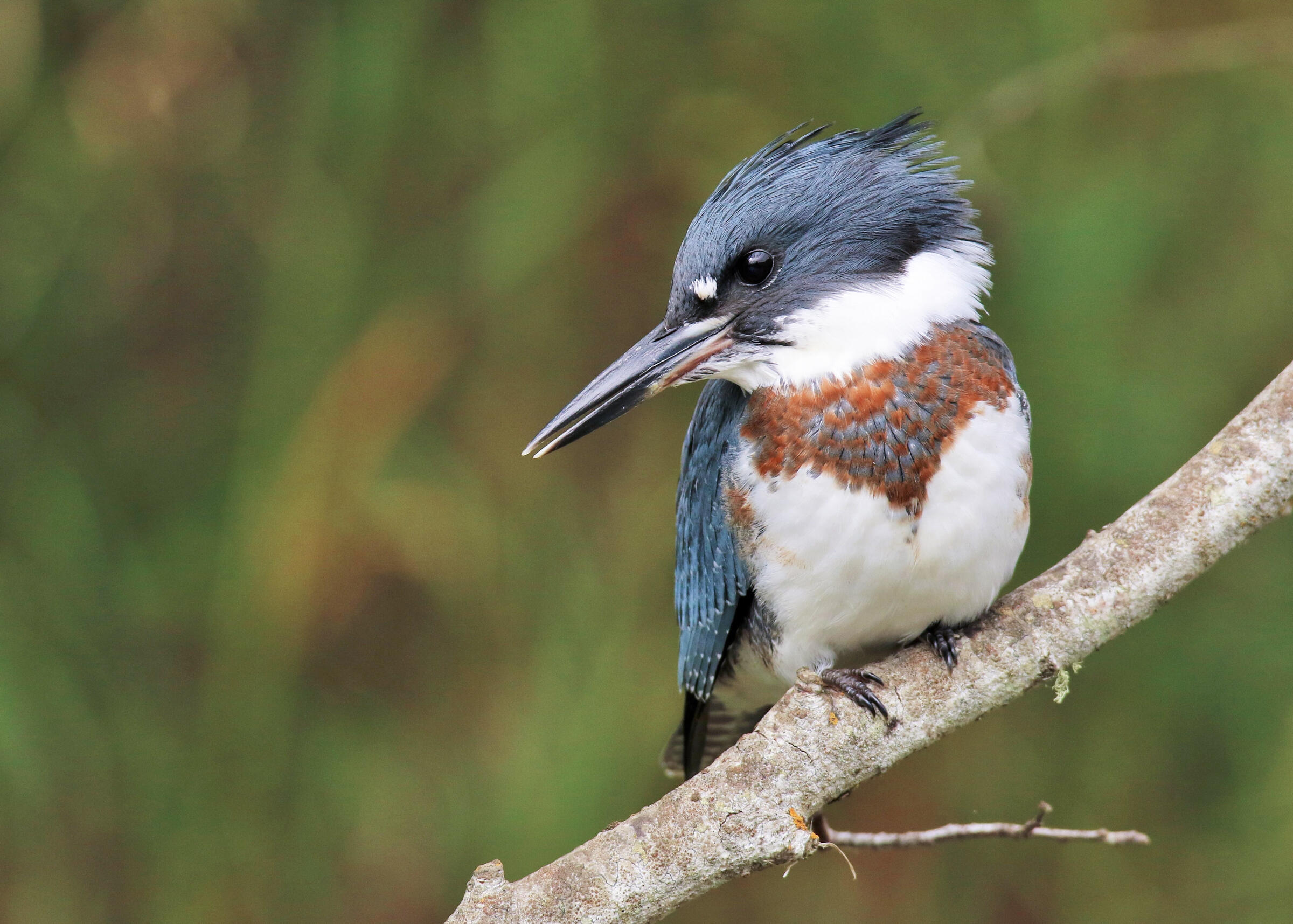
We arrived before sunrise; the air was still cool. As the first light appeared, a Short-eared Owl glided across the horizon, its silhouette outlined against the dawn. Later, we watched a Belted Kingfisher diving over a pond, an American Kestrel perched high in a tree and even glimpsed a Bald Eagle near its nest, all before lunch. By evening, we had recorded 74 species, far beyond the gulls and squirrels of my childhood memories.
Seeing so many species in a single day shifted my entire perspective. As a casual birder with limited identification skills, the CBC encouraged me to look up, literally and figuratively. Spending a day intentionally searching for birds opened my eyes to a vibrant world I had overlooked. Now I notice birds everywhere. Who knew a Cooper’s Hawk could appear on a routine grocery run?
Attending my first CBC became much more than an internship task. It reconnected me with a place I thought I already understood and reminded me how much life exists when we slow down and pay attention. Conservation isn’t only happening in far-off wilderness areas or on documentary screens. It’s happening here, in the spaces we pass every day.
And now that I’ve seen it, I feel even more committed to protecting the outdoor spaces we all enjoy!


