
Trinity River Audubon Center
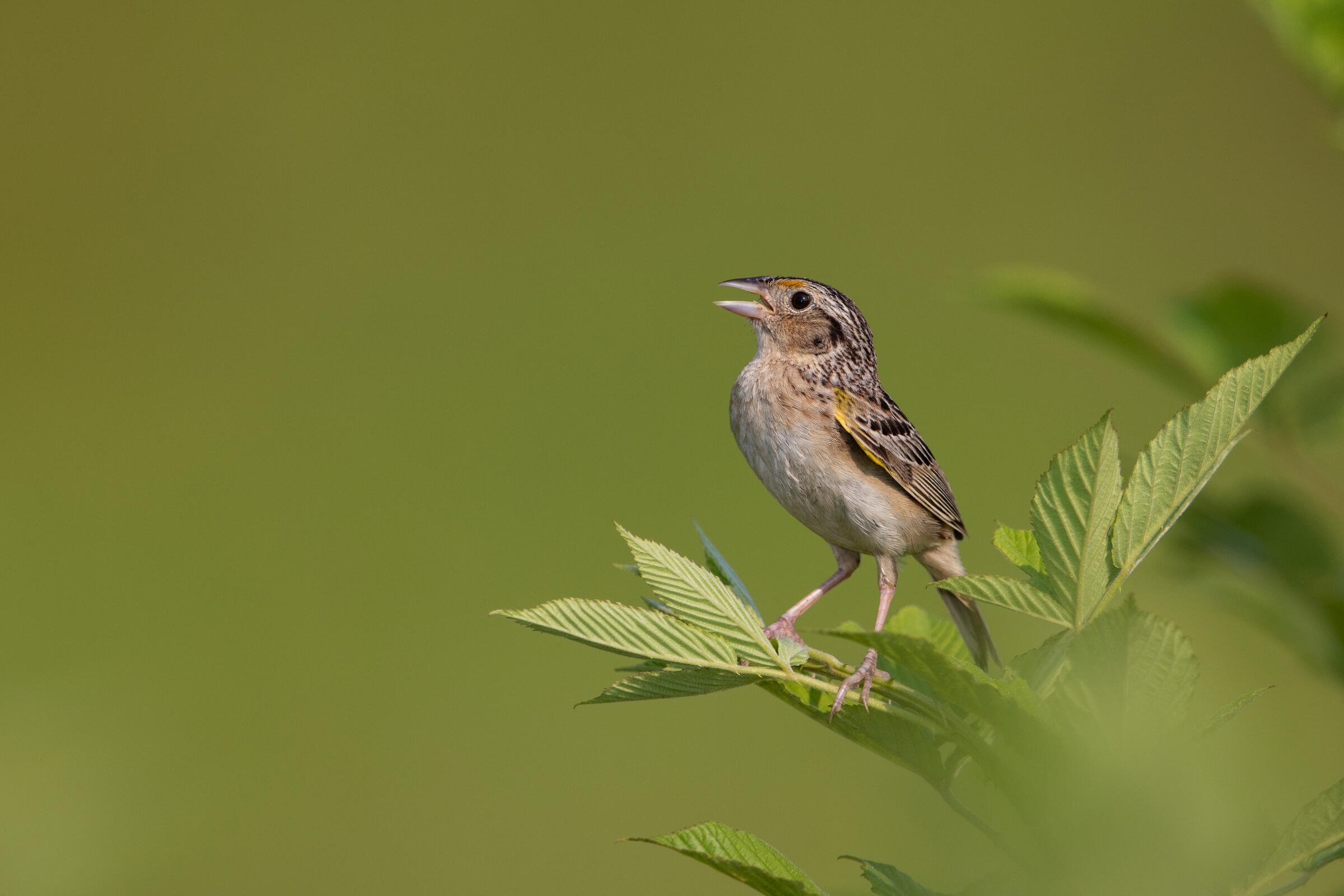
In reflecting on 2025, it was clear Trinity River Audubon Center (TRAC) deeply fostered building community through environmental education and creating better habitat for birds along the way. One of the habitat management goals at TRAC is to create more suitable habitats for grassland dependent focal species such as Grasshopper Sparrow and LeConte’s Sparrow, and the local community, partnerships, and supporters are doing the work with us side by side. Each opportunity is designed to help others discover the wonders of ecology in their own backyard, while learning how to be stewards to the environment.
Many of these programs also provide a chance for community members to build their own relationships with nature by contributing to the habitat management plan at TRAC. Last year, we concerted our ongoing restoration efforts to the northern portion of our property to enhance the biodiversity of the grasslands located by the overlook trail. Participants from local colleges, high schools, corporate groups, and public program attendees were major players in this charge. In 2025, we served 7,819 participants on guided field trips for students and public programs for all ages.
Local community members were crucial in each step of the process; taking part in bird surveys and vegetation surveys to determine which sections needed the most care, planting over 1,400 native grasses and forbs in specific sections and continuing the work of removing invasive and nuisance plant species. In the same area of focus is where the MAPS (breeding season) and MoSi (wintering season) banding projects also take place. A notable partnership last year is with Ornithologist Blaine Carnes who is helping us better understand the efficacy of TRAC’s restoration process through long term data collection of bird populations and species diversity. We’re looking forward to continuing the work in 2026 for birds and for our community, because where birds thrive, people prosper!


